Research and recommendations on incentives and tariff reform to encourage investment in, and optimal use of, distributed energy resources (DERs)
Background and context
Between 2020 and 2023, South Africa experienced its most severe period of load shedding to date, both in duration and intensity. In response to the deepening electricity crisis, President Cyril Ramaphosa announced the establishment of the National Energy Crisis Committee (NECOM) on 25 July 2022 to oversee the implementation of the Energy Action Plan.
The Energy Action Plan set out five priority intervention areas to reduce the severity of load shedding and restore energy security:
- Fix Eskom and improve the availability of existing supply.
- Enable and accelerate private investment in generation capacity.
- Accelerate procurement of new capacity from renewables, gas, and battery storage.
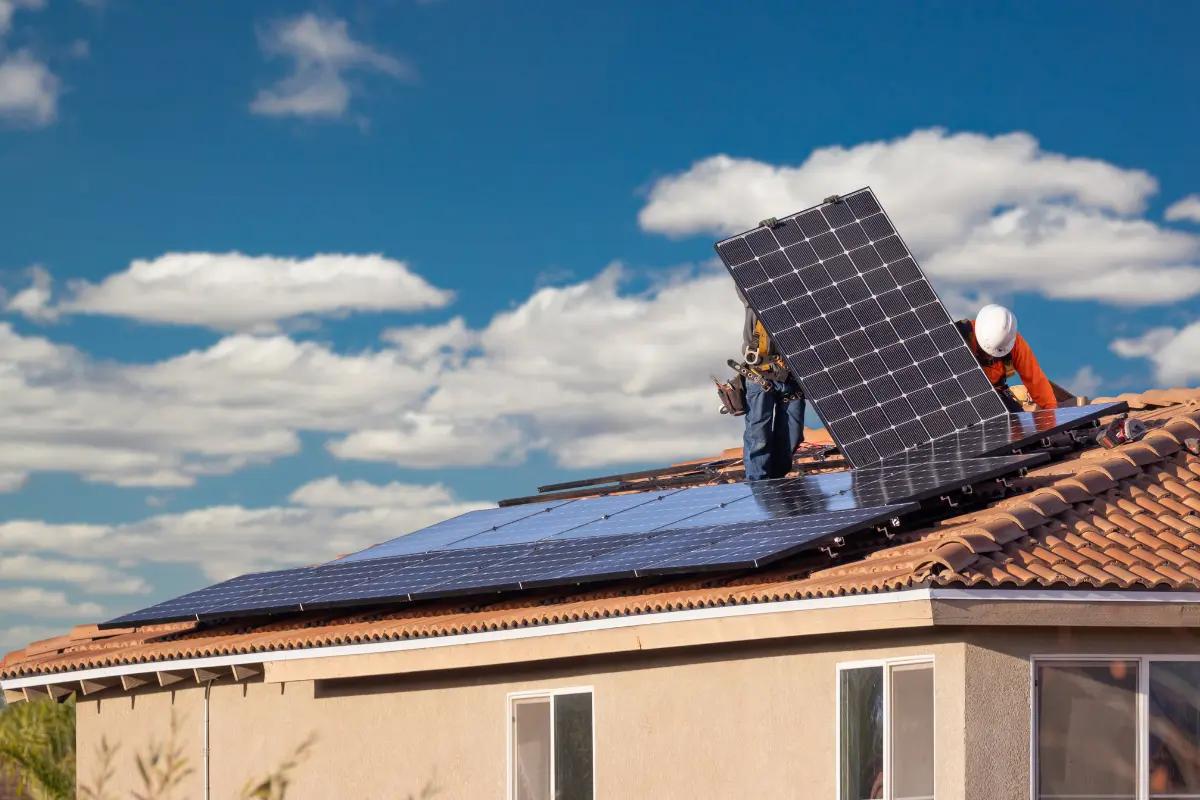
- Unleash businesses and households to invest in rooftop solar.
- Fundamentally transform the electricity sector to achieve long-term energy security.
Purpose of the study
In August 2024, in line with the focus areas of a revised Workstream 2 (tasked with “Accelerating private sector investment in new generation, specifically ensuring bankability and enablers in grid access and wheeling”), the NECOM Secretariat within the Presidency commissioned Nova Economics to undertake a study on incentives and mechanisms to encourage increased uptake of and exports from DERs.
More specifically, the study sought to explore mechanisms to encourage customers to:
- Invest in integrated rooftop solar PV, energy efficiency and battery energy storage systems (BESS);
- Incentivise customers to smooth their consumption (e.g. reduce load in peak times);
- Export surplus power to the grid; and
- Potentially invest in generation and storage capacity beyond own-use requirements in order to supply the grid.
Our approach
The project was delivered over two phases.
- Phase 1 focused on understanding the target market, identifying current barriers, and defining the objectives of potential incentives and pricing mechanisms. Nova Economics analysed customer consumption and export data from Eskom Distribution and selected municipal distributors, identifying two priority customer segments: large power users (LPUs) and high-consumption small power users (SPUs). This analysis was complemented by desktop research and stakeholder interviews to assess existing incentives and constraints to DER uptake and export. Phase 1 concluded with a multi-stakeholder workshop to confirm the priority segments and agree the objectives to be taken forward into Phase 2, aligned to the overarching aim of identifying pricing mechanisms and complementary incentives that promote economically efficient investment in, and use of, DERs while supporting broader power system objectives.
- Phase 2 focused on assessing specific pricing mechanisms and incentives capable of meeting the agreed objectives. This included a review of international experience to identify relevant lessons and emerging best practice, alongside an assessment of local regulatory, technical and institutional constraints. Based on this analysis, Nova Economics developed a tailored set of recommendations for both LPUs and high-consumption SPUs. These recommendations were refined through further stakeholder engagement to test feasibility, practicality and relevance in the South African context.
Key findings and outcomes
The study identified several structural weaknesses in existing retail tariffs for both consumption and exports that constrain economically efficient investment in and operation of DERs for LPUs and high-consumption SPUs. In addition, mechanisms to procure flexibility services from DERs were found to be limited or underdeveloped, reducing incentives for customers to deploy and operate DERs in ways that support system-wide efficiency and reliability.
In response, Nova Economics developed a set of segment-specific recommendations, grouped into “must-do” and “could-do” actions.
- Must-do actions focus on foundational reforms required to enable meaningful progress, including retail tariff reform, revisions to net billing and export compensation arrangements, and critical enablers such as the financing and rollout of smart meters and upgrades to distributor metering and billing systems.
- Could-do actions represent complementary initiatives to be pursued once these foundations are in place, notably the establishment of a framework for procuring flexibility services from LPUs and eventually aggregated SPUs.
To support implementation, the study set out a coordinated roadmap comprising eleven interdependent initiatives spanning regulatory, technical and financial dimensions. The roadmap identifies key stakeholders and institutions, clarifies roles and responsibilities using an expanded RACI framework, and sets out recommended sequencing, with particular attention to interdependencies across reforms and the need for coordinated delivery. At the time of writing, the roadmap was under review by the NECOM Secretariat, with priority initiatives being identified for implementation from 2026.

Client
National Energy Crisis Committee (NECOM)
Date Completed
2025
Author(s)
- Kay Walsh
- Jessica Kiln
- Peter Searle
Related Links