Assessing the potential market for off-grid cleaner energy solutions in Southern Africa
Background
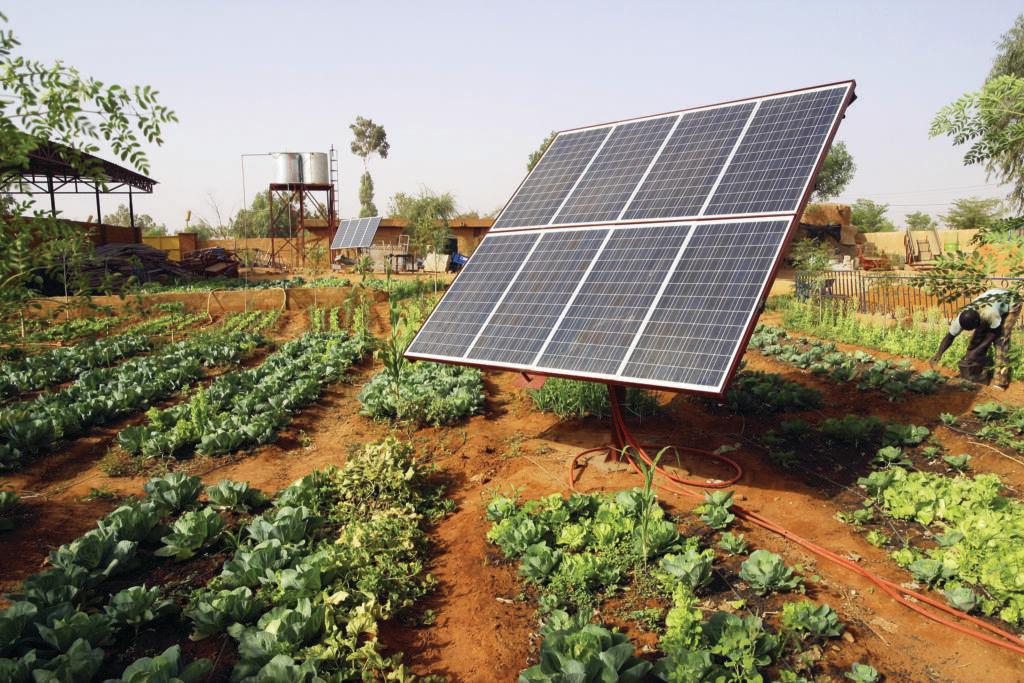
Expanding access to modern energy services remains a key development challenge across Southern Africa, particularly where grid-based electricity supply is limited or unaffordable, and where access is shaped by reliability, affordability and the range of energy services available. In this context, cleaner off-grid energy solutions have the potential to play a meaningful role in improving household welfare and supporting productive economic activities.
In 2019, the United Nations Capital Development Fund (UNCDF), in partnership with FinMark Trust, commissioned Nova Economics to assess the potential market for off-grid cleaner energy solutions across five SADC countries: Lesotho, Eswatini, Malawi, Mozambique and Madagascar.
Purpose of the engagement
The objective of the study was to assess the potential to develop markets for cleaner off-grid energy solutions in the selected countries, with a particular focus on household and productive applications. The study aimed to:
- Position off-grid cleaner energy solutions within the broader energy landscape and identify applications where they could meaningfully expand access.
- Assess current patterns of energy access, usage and affordability in each country.
- Evaluate the enabling environment for off-grid solutions, including the scope for innovative financing models.
- Identify existing programmes and initiatives and assess opportunities for partnerships.
- Examine barriers to adoption and the potential contribution of off-grid solutions to SDG7 (Universal access to ‘modern energy’ by 2030).
Our approach
The assessment combined desktop research, stakeholder interviews and quantitative modelling.
- Desktop research was used to develop a comparative overview of energy access and off-grid market opportunities across the five countries. Applying the Sustainable Energy for All (SE4All) multi-tier framework, the analysis focused on two key “locales of energy access”: households and productive engagements.
- Interviews with in-country stakeholders were conducted to identify existing programmes, key barriers and enabling factors, and to validate initial analsis relating to electricity access, affordability and the policy environment. These engagements also informed the identification of potential UNCDF partnership opportunities.
- Modelling was undertaken through two exercises. The first estimated the electricity access deficit in 2030, based on current electrification rates. The second estimated the size of the addressable market for off-grid solutions, focusing on Tier 1 solar home systems suitable for basic lighting and phone charging.
Key findings
The analysis found that affordability constraints remained a significant barrier to grid electricity access in several of the target countries, particularly for lower-income households. Malawi exhibited the most constrained affordability profile, while households in Eswatini and Mozambique faced relatively lower affordability pressures at comparable income levels.
In terms of market potential, Mozambique emerged as the largest opportunity, with an estimated low-end Tier 1 solar home system market valued at approximately USD 281 million and a high-end Tier 1 market valued at USD 243 million. Madagascar and Malawi also exhibited sizeable low-end market potential, while the addressable markets in Lesotho and Eswatini were more limited in size. However, Lesotho showed relatively strong potential for higher-end systems due to higher affordability among off-grid households.
Overall, the study concluded that off-grid cleaner energy solutions could play a meaningful role in expanding energy access across the region, particularly for households and productive users beyond the reach of the grid, provided that affordability constraints and financing barriers were addressed.

Client
United Nations Capital Development Fund (UNCDF)
Date Completed
2020
Author(s)
- Kay Walsh
- Chris Reeders
- Ahmed Seedat
- Rachel Theron
- Rowan Spazzoli
- Samantha Filby
Related Work
- An assessment of financing models and strategic interventions to sustain rooftop solar PV adoption by households and small businesses in South Africa
- Identifying the risks and dependencies associated with the implementation of policy reforms to enhance access to clean and affordable energy in South Africa
Related Links